CITY COLLEGE OF SAN JOSE DEL MONTE
NITOLLANO GLENN A.
BACHELOR OF PHYSICAL EDUCATION
E-PORTFOLIO IN TECHNOLOGY FOR TEACHING AND LEARNING 1
LIST OF ACTIVITIES
- TASKSHEET 1
- TASKSHEET 2
- EVALUATION MODULE 1
- INSTRUCTIONAL MATERIALS
- ESSAY UNIT 5
- ESSAY UNIT 6

TASKSHEET 1
Technology, Information and Communication Technology, and Literacy or ICT Literacy, Educational Technology, Digital Literacy, and Digital Learning are the five terminology and ideas you need to know and comprehend about ICT. These phrases are employed because they are connected to ICT, such as Technology, which refers to a combination of method and product utilized in the application of knowledge. It encompasses everything from a pencil and paper to the latest technological devices and equipment for practical tasks, thus ICT would be useless if we didn’t have technology. The next category is Information and Communication Technology and Literacy (ICT Literacy), which is defined as the usage of digital technology.Next is the Digital Literacy which is the ability to find, evaluate, utilize, share and create contents using information technologies and internet. Finally, there is digital learning, which is any form of learning that is supported by technology or instructional practice that effectively utilizes technology. It covers the use of a wide range of methods, including blended and virtual learning. It may be found online or off-line, and it makes use of digital technologies.
These terms and concepts can be useful in my profession because we now live in the twenty-first century, where anything can be done via the internet, and especially now that we’re in the midst of a pandemic, it’s very useful, and I never know when it’ll end, so it’s very useful for my profession because I can apply what I’ve learned in this subject to my future profession. As a future educator, I will be able to easily educate and share my knowledge with my pupils; it will not be difficult for me to adjust to this “new normal” if it continues to exist, because I am already familiar with the terminology and concepts associated with this subject. These can be also helpful to 21st century learners because learners from this 21st century are already exposed with this kind of learning and the good thing about this is they can enhance their skills with regards to this as a part of their learning process and it will not be hard for them to adapt this because they’ve already knowledge about this. It will help the 21st century learners to acquire more information, they will not left behind, and use it for their future.
Overall, the above can be used in the teaching process, such as when the focus is on the teacher and the only role of the student is passive, and they only use chalk to discuss the lesson, but when the model shifts from traditional to information, the focus shifts from the teacher to the student, and the role of the learner is active, and they already use personal computers. As a result, changes occur as a result of ICT, which enhances the teaching and learning process or environment.

TASKSHEET 2
E-waste: A Challenge for Sustainable Development
The global community has converged to prioritize sustainability for all developmental activities by integrating societal, economic, environmental, technological, cultural, and gender perspectives. Accordingly, this global convergence has been working towards protecting the environment from the deterioration that occurs with rising living standards. In this vein, multilateral negotiations and cooperation play pivotal roles in the establishment of sustainable development. The ongoing emphasis on e-waste management along with other important environmental issues such as climate change and resource depletion and degradation are the most promising initiatives to achieve long-term sustainability. The rapid global economic development of recent years is leading to sociotechnical transformations and changing lifestyles. Consequently, large quantities of electronic and electrical appliances are being produced, and will eventually become e-waste.
These products present a significant global challenge due to the hazardous chemicals they contain, their highly technical recycling requirements and the high overhead and costs of environmentally sound management, as well as their adverse impacts to human health. Low-income countries bear the greatest burden of adverse health hazards such as asthmatic bronchitis, DNA damage, endocrine and hormone disorders, lung and liver cancers, fertility problems, genetic mutations, etc. Although high-income countries are the main sources of this waste, low-income countries are experiencing an increase in e-waste due to the shifting process of both recently produced and UEEE, as well cheap management overhead costs. In the case of India, for instance, it generates its own e-waste as well as imports waste from high income countries, and is presently the second biggest e-waste processing country.34 In addition, 2.2 million tons of UEEE are imported annually in Bangladesh.30 Necessity and cheap prices have been increasing demand volume daily. Undoubtedly, imported new and UEEE make a large contribution to industrial growth and economic development in these regions. However, as end users, low-income countries such as Bangladesh, China, India, Sri Lanka, Pakistan and the Philippines are also the final destinations for the dumping of e-waste. Furthermore, low cost recycling of e-waste, such as for a computer, which costs up to 20 dollars in the US and less than 2 dollars in Bangladesh, India and Pakistan, is ultimately exacerbating this situation.3
The establishment of sustainable and environmentally sound processing of e-waste, i.e., handling, recycling, recovery, dumping or overall management practices is very difficult to implement in low-income countries. Although some initiatives have been taken by South Asian countries to regulate and import UEEE, they do not have any existing or effective laws or regulations for e-waste handling.45 While India has introduced legislation and adopted some important laws and guidelines (Electronic Waste Handling and Disposal) Draft Law, 2013; E-waste (Management and Handling) Rules, 2011; Management of E-Waste, Guidelines, 2008) and Bhutan as well (Waste Prevention and Management Act, 2009), no such legislation has been introduced in other affected countries such as Bangladesh, Nepal, the Maldives, Sri Lanka, Pakistan or Afghanistan. Bangladesh is classed as underdeveloped with regard to the recycling and disposal of e-waste among the e-waste generating nations and they do not have any inventory on e-waste. Similarly, Pakistan does not have any precise data or inventory on e-waste and only a very small amount of imported UEEE are usable and declared by customs as ‘waste’.
Reflection:
The increasing global trend of e-waste generation has come up as one of the major environmental problems and challenges for achieving sustainable development. Considering its adverse potential eco-toxicological impacts and diverse health effects, an urgent global multilateral agreement is needed addressing e-waste handling, storage, transportation, recycling, and final disposal of any residual waste, whether by land filling or incineration. As it is a global issue from the pollutant production and transportation perspectives, multinational negotiation as well collaboration is realistically the only way to achieve sustainable development goals. Formal consecutive inventory initiatives are needed in vulnerable countries such as those in developing countries in South Asia. In addition, there is a need to develop health prevention strategies focusing on e-waste by addressing susceptible groups, i.e., children, pregnant women, and socio-economically disadvantaged communities. It is also necessary to determine if there are any knowledge gaps and awareness training needs from the top to the bottom level. Sustainable management techniques could be included in policy implementation with a focus on knowledge and awareness building. Furthermore, economic, environmental and technological cooperation could be bolstered among the high-income producer and supplier countries of e-waste and those adversely affected by it, especially low-income countries. Comprehensive global e-waste management and policies could help to offset the hazards of e-waste and are the best approach for achieving sustainable development.
Evaluate:
1-6.What are the new ICT technologies? Define each.
The New ICT Technologies:
More recent technological innovations increased the speed of communications which can be grouped into three categories:
Information Technology – includes the use of computers, which has become indispensable in modern societies to process data and save time and effort. What are needed will be computer hardware and peripherals, software and for the user, computer literacy.
Telecommunication Technologies – include telephones (with fax) and the broadcasting of radio and television often through satellites. Telephone system, radio and TV broadcasting are needed in this category.
Networking Technologies – The best known of networking technologies is internet, but has extended to mobile phone technology, Voice over Internet Protocol (VOIP) satellite communications and other forms of communications are still in their infancy.
4-10. Enumerate the ICT for Education (ICT4E) programs for education.
1. ICT in education Master plan for all levels, including a National Roadmap for faculty Development in ICT in Education. A National Framework Plan for ICTs in Basic Education was developed.
2. Content and application development through the Open Content in Education Initiative (OCEI) which converts DepEd materials into interactive multi-media content, develop applications used in schools, and conduct students and teachers’ competitions to promote the development of education-related web content.
3. PhedNET is a “walled” garden that hosts educational learning and teaching materials and applications for use by the Filipino students, their parents and teachers. All public high schools will be part of this network with only DepEd-approved multi-media applications, materials and mirrored internet sites accessible from school’s PCs.
4. Established Community eLearning Centers called eskwela for out-of-school youth (OSY) providing them with ICT-enhanced alternative education opportunities.
5. eQuality Program for Tertiary education through partnerships with state universities and colleges (SUCs) to improve quality of IT education and the use of ICT in education in the country, particularly outside of Metro Manila.
6. Digital Media Arts Program which builds digital media skills for government using Open Source technologies. Particular beneficiary agencies include the Philippine Information Agency and the other government media organizations, the Cultural Center of the Philippines, National Commission for Culture and Arts and other government art agencies, State Universities and Colleges and other local government units.
7. ICT skills strategic plan which develops an inter-agency approach to identifying strategic and policy and program recommendations to address ICT skills demand-supply type.

EVALUATE
What are the six aspects/domains that reflect the typical duties of a practicing teacher? Define each
1. Understanding ICT in policies-It will assist the teacher in becoming more literate in the use of technology for information and communication.
2. Curriculum and Assessment- Because a curriculum is required to prepare and fill pupils with information and insight. Assessment will also indicate what the kids learnt and where the instructor will focus on the children who are more difficult to reach.
3. Pedagogy-Increasing student learning through making effective use of technology in the classroom for activities and lessons.
4. Technology tools- These technologies are enhancing educational competency. Technology makes classes more fun, thrilling, and intriguing.
5. Organization and Administration- The teacher will be in charge of ensuring that the technology is exclusively used for educational purposes to assist pupils in learning.
6. Teacher Professional Learning- Technology may also be used to help teachers learn. Teachers may have access to many platforms with publications and even attend various workshops.
Enumerate some terms and concepts that you need to know and understand about ICT.
- Telecommunications
- Digital learning
- Media information management
What is the importance of ICT in teaching practices?
-The role of ICT in teaching methods is adapting to the trend of today’s Generation, which will help students learn more effectively.
Discuss how technology has influenced one’s life as a learner and how one is going to use technology as a teacher.
-Everything is made simpler by technology. Technology can provide all of the information resources that students will need to grasp a lesson, complete an activity, produce reports, and even write research papers. The teacher used technology to make the lesson more interesting and participatory by allowing students to watch videos about the topic and upload presentations. The teacher might also seek for other materials so that he can include the idea or example into the topic while discussing it.

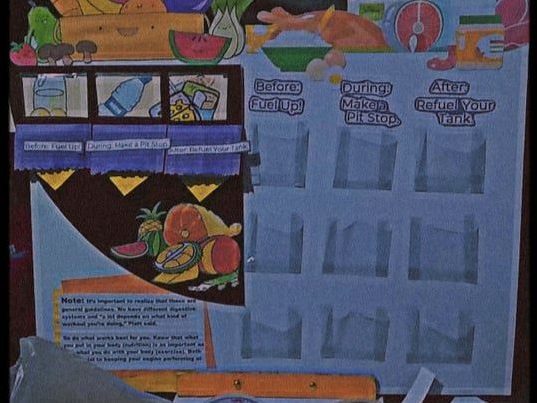
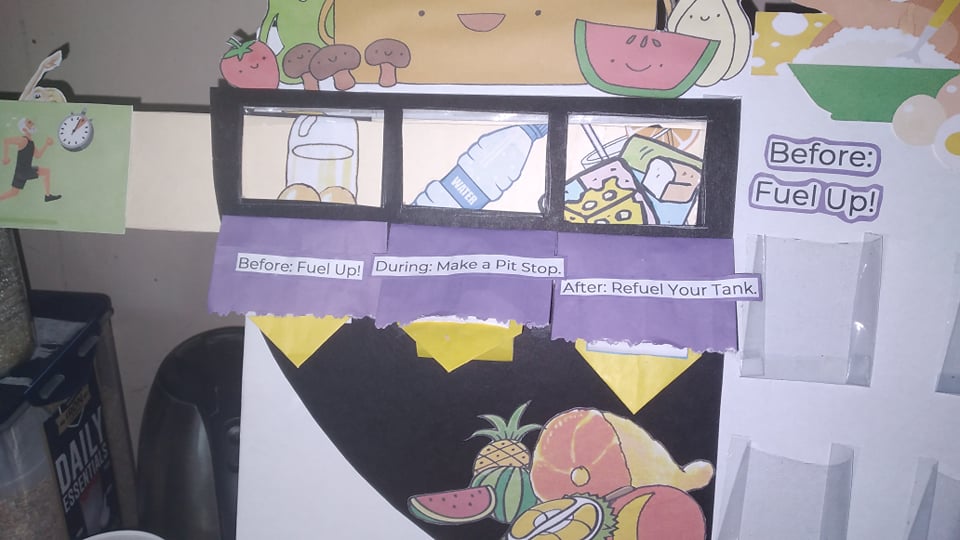
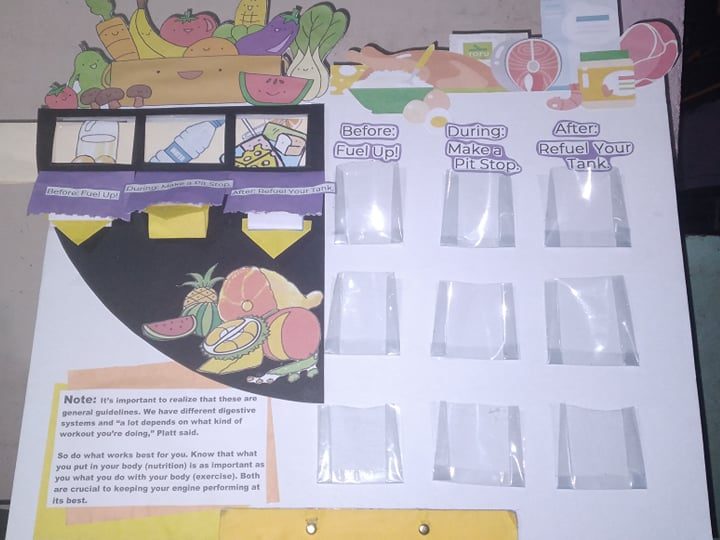
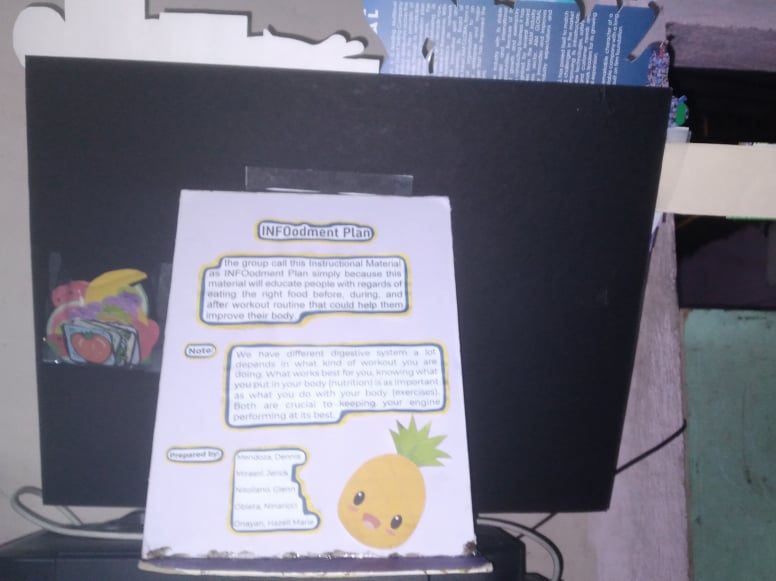
INSTRUCTIONAL MATERIALS

ESSAY UNIT 5
Things are changing in this modern society at an epidemic rate. The world is starting to become much more interconnected and technology is constantly changing the world. We now live in an increasingly different, globalized, and complicated media saturated culture. So this Technological overthrow will have a greater change in education. Our students are facing many difficulties like increased population, climate change, health deficiency, primary poverty and other environmental changes. Therefore, this technological revolution, social, economic and globalization changes have intended for new changes and developments in 21st century teaching and learning.
21st Century Skills have been developed for 21st century education system. It is widely used in teaching, learning, and in the job. Nowadays, information is flooding in the media, and we need to extract the exact information we want. To do these things well, we must use 21st Century skills and be more information literate, and media literate. There are skills called 4Cs- Critical thinking, Creativity, Collaboration skills, and Communication skills. Understanding how to discern knowledge, how to be information literate, how to be media literate, and how to apply information communication technology types of skills are the purpose of 21st Century Skills. To improve these things, using skills called 4Cs are helpful. They are Critical thinking and problem solving, Creativity, Collaboration skills, and Communication skills.
First is critical thinking. Critical thinking is the practice of solving problems, among other qualities. It
empowers students to discover the truth in assertions, especially when it comes to separating fact from opinion. With critical thinking, students don’t just learn a set of facts or figures. Instead, they learn how to discover the facts and figures for themselves. The next one is creativity. Creativity is the practice of thinking outside the box. It allows students to embrace their inner strengths from big-picture planning to meticulous organization. As a student learns about their creativity, they also learn how to express it in healthy and productive ways. More importantly, they also become motivated to share that creativity with others. Just like with critical thinking that makes creativity contagious. The third one is collaboration. Collaboration. Collaboration is the practice of working together to achieve a common goal. Virtually every job requires someone to work with another person at some point, even if it’s for something as simple as what to get for lunch. Practicing collaboration helps students understand how to address a problem, pitch solutions, and decide the best course of action. It’s also helpful for them to learn that other people don’t always have the same ideas that they do. In fact, as students practice collaboration more and more, they’ll learn that they have almost none of the same ideas that others do.
This can affect students in one of two ways. First, it could discourage them since nobody seems to agree with them that often. Second, it could embolden them because they realize they’re bringing something unique to every conversation. Lastly is the Communication. Communication refers to student’s ability to share information while expressing their thoughts and opinions clearly to others. Communication also requires strong listening and evaluation skills to aid in collaboration. It includes verbal, written, and multimedia messages.

ESSAY UNIT 6
Today, we see educational establishments implementing these changes into their systems and relying
on collective resources and procedures to better student life. Social media in education allows students, educators, and parents to access more valuable material, connect with learning groups, and access other educational systems that make education more convenient. Students and institutions may use social networking technologies to improve their learning techniques in a variety of ways. You may use social media plugins to facilitate sharing and engagement through these networks. Students can benefit from YouTube lessons, Voice and video online courses from institutions across the world, and a vast range of resources shared through social media. Social media may provide important information such as analytics and insights on a variety of subjects or situations for research purposes. It is critical for educational institutions to be active on as many social media platforms as possible, since this aids in the establishment of stronger student training techniques.
The benefit of utilizing social media in education is that you can quickly understand who the experts are in many disciplines and subjects. When you start following these experts, you will learn more from them and receive valuable material, which will enable you to achieve great successes.Social media has the power to widen your perspective on a variety of topics by providing insightful, new material in real time. You have the option of contacting professionals to obtain answers to questions about which you may want assistance. The bottom line is that social media is a big part of our day to day life and there’s no point of keeping it away from the education process. School, college and university staff should be encouraged to make use of technology for student and parent communication. The benefits are obvious, starting with healthier parent-teacher relationships and all the way to permanently changing the way our children will learn.
 CCSJDM